Why Are Smartwatches Getting Lighter? The Answer Is in the Materials
Have you noticed that high-end smartwatches have been getting noticeably lighter over the past couple of years?
Not because they’ve stripped out features — quite the opposite. Batteries are bigger, sensors are more numerous. So where did the weight go?
The answer isn’t in the chips. It’s in the materials.
The Metal Dilemma
The traditional choices for smartwatch cases are stainless steel or aluminum alloy. Stainless feels premium but is heavy — wear it long enough and your wrist aches. Aluminum is lighter but scratches easily, and it conducts heat so well that it feels cold against your skin in winter.
What about plastic? Sure, it’s light, but it looks cheap and lacks the strength to resist the deformation and cracking that comes with time.
So product managers found themselves stuck in a dilemma: heavy but premium, or light but cheap.
Then PEEK came along.
A Material That Refuses to Compromise
PEEK — Polyether Ether Ketone — has a density just 1/6 that of stainless steel.
But it’s nothing like ordinary plastic. Its strength approaches that of metal. It resists wear and scratching. It’s impervious to sweat and cosmetics. UV doesn’t degrade it. It holds up from dozens of degrees below zero to over two hundred above.
PEEK’s first adopters were aerospace engineers, then medical implant surgeons — industries where reliability is non-negotiable. In recent years it’s been making its way “down market,” into consumer electronics.
What Does It Look Like in Practice?
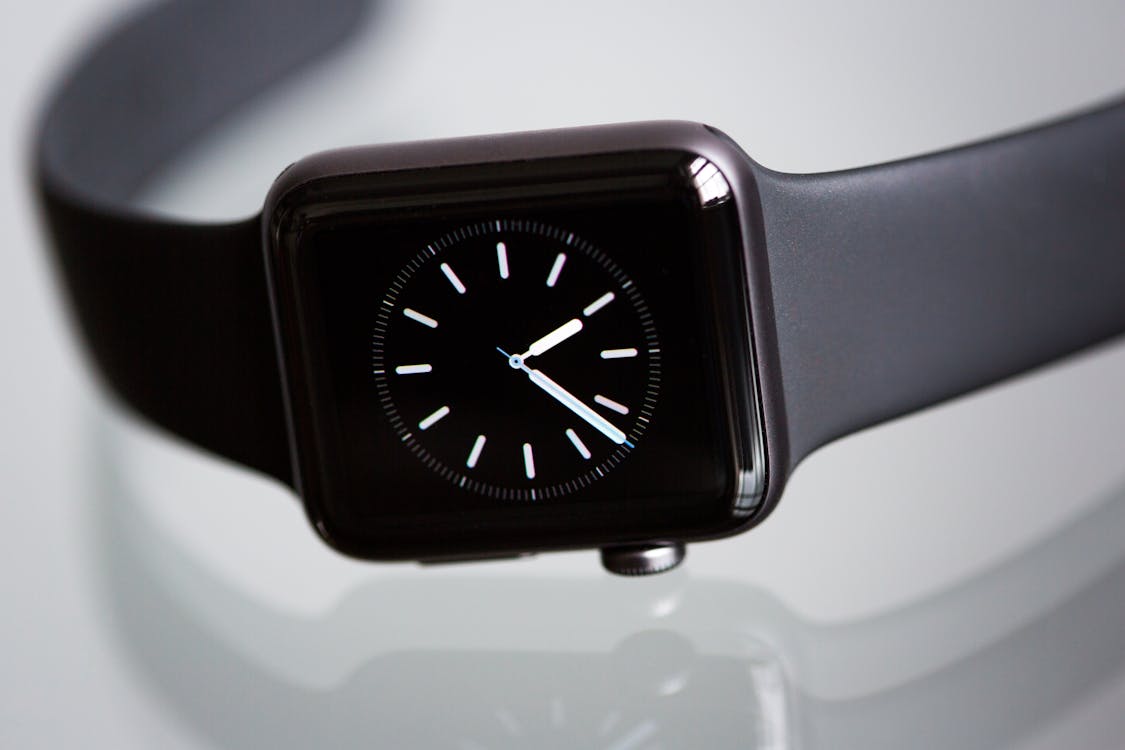
The mid-frames of many premium smartwatches today are made from carbon fiber-reinforced PEEK — about 40% lighter than pure metal, at comparable strength. Back panels use pure PEEK: light, transparent to heart rate sensor signals, and comfortable against skin.
AR glasses need PEEK even more urgently. Think about it — you’re wearing these things for hours at a time. Every extra gram is a burden. The temples use carbon fiber PEEK, the hinges use PEEK composites, and the nose pads use medical-grade PEEK — light and hypoallergenic.
Industry reports suggest that among major AR glasses launches in 2026, more than half use PEEK for critical structural components.
Is It Still Expensive?
It used to be. It’s become much more accessible.
Two reasons: First, domestic PEEK production capacity in China has scaled up, reducing dependence on imports and bringing prices down significantly. Second, as 3D printing has become widespread, small-batch custom production no longer requires molds — dramatically lowering the cost of iteration.
For consumer electronics applications, domestically produced PEEK is entirely sufficient, with a clear cost-performance advantage.
So What?
Next time you pick up a smartwatch or AR glasses and find them lighter than expected, don’t just credit the engineers — the materials scientists deserve their share of the recognition too.
PEEK — something that once lived only in rockets and human implants — is now quietly sitting on your wrist.
If you’re a consumer electronics manufacturer wondering what PEEK could do for your products, let’s talk.